The Facials Guide
What Does LED Light Therapy Actually Do? Four Wavelengths, Four Mechanisms
LED Light Therapy is non-invasive, painless treatment that uses four wavelengths of medical-grade light to target different skin concerns — blue at 415nm for acne, yellow at 590nm for redness, red at 630nm for collagen and ageing, near-infrared at 850nm for deep repair. Pink Laser Clinics runs the MediSOL LED system, CE-certified Class IIa, in standalone and recovery-bridge programmes.

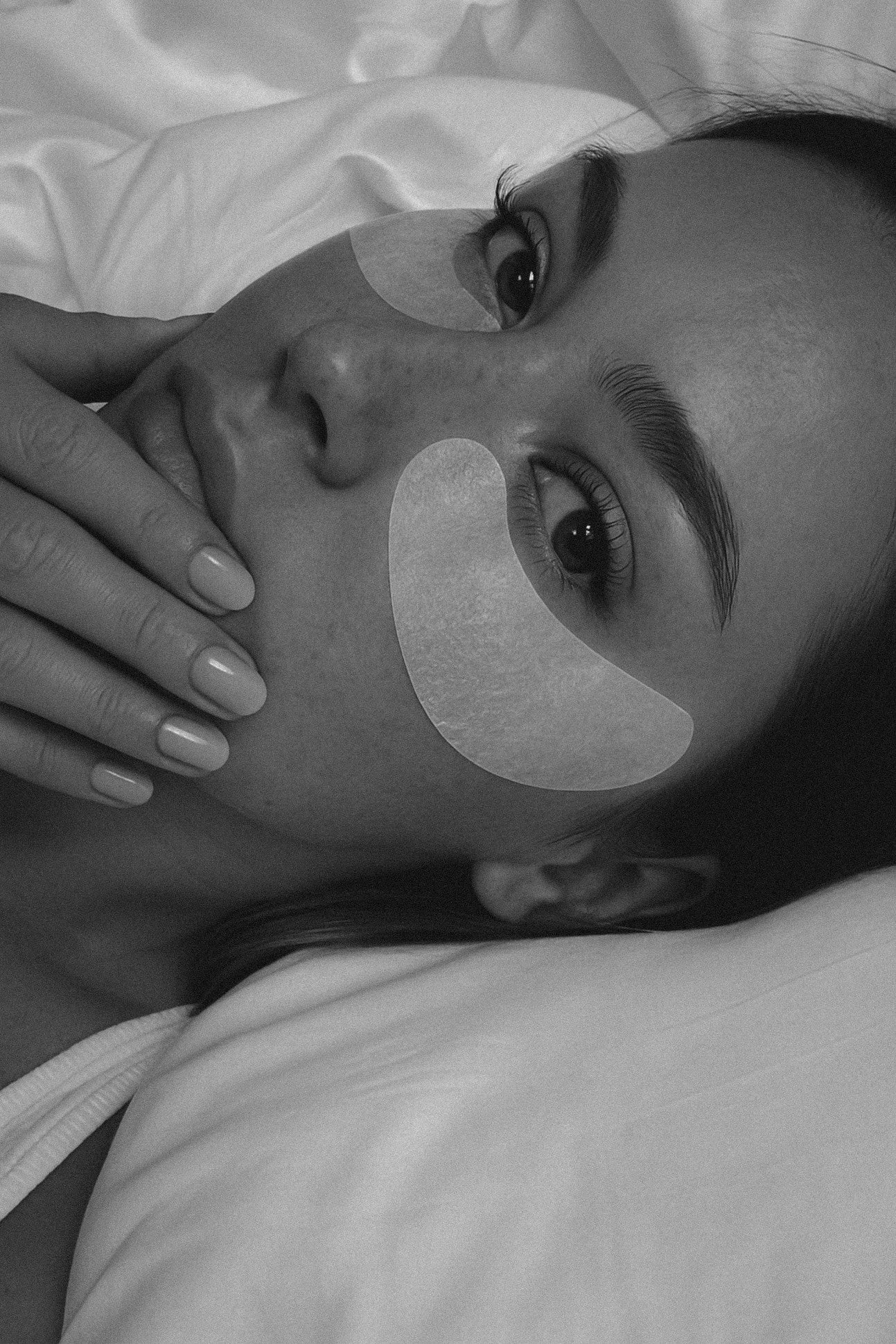
LED light is one of the few clinical treatments that feels like nothing while it works. You lie back under a panel, close your eyes, and the panel emits four wavelengths of medical-grade light over twenty to thirty minutes. The skin absorbs the light at different depths depending on wavelength, and different cellular mechanisms respond. No heat, no pain, no downtime. Pink runs MediSOL LED Light Therapy, a CE-certified Class IIa medical device, in standalone and recovery-bridge programmes.
How does LED Light Therapy actually work on skin?
LED Light Therapy works through photobiomodulation: light of specific wavelengths is absorbed by mitochondria (the energy centres of skin cells), which then drive cellular processes the wavelength is calibrated to support. The mechanism is non-thermal: the light isn't heating the skin the way laser does. It's signalling.
Different wavelengths reach different depths. Blue light at 415nm reaches the surface. Yellow at 590nm reaches the upper dermis. Red at 630nm reaches the dermis itself. Near-infrared at 850nm penetrates the deepest, into the subcutaneous layer where post-procedure recovery happens.
Each wavelength triggers a specific cellular response. Blue activates surface mechanisms that affect bacteria; yellow has anti-inflammatory effects; red supports collagen and elastin production; near-infrared accelerates cellular repair. The treatment doesn't ask the skin to change. It supplies the energy the skin needs to do the work itself.
MediSOL's panel runs all four wavelengths in a single twenty-to-thirty-minute pass across the face and neck. The clinician selects the wavelength combination based on what the skin needs.
What does each wavelength target?
Pink's MediSOL LED Light Therapy runs four named wavelengths, each calibrated for a different mechanism.
Blue light (415nm): surface bacteria associated with breakouts
Blue at 415nm sits at the visible spectrum's shorter end and penetrates only the upper epidermis. Its mechanism targets the bacteria associated with inflammatory acne (P. acnes specifically), which produces porphyrins that absorb blue light and become destabilised by it. Blue light doesn't replace topical acne treatments or oral medications, but it pairs with them as a non-pharmaceutical layer that reduces surface bacterial load.
Best for: active inflammatory acne, breakout-prone skin during flare windows, congested skin between corrective treatments. Often paired with PinkRX salicylic or mandelic formulations for clients managing acne and post-acne marks together.
Yellow light (590nm): calming redness and rosacea
Yellow at 590nm reaches into the upper dermis and has demonstrated anti-inflammatory and vascular-calming effects. The mechanism is less about killing bacteria (blue's territory) and more about reducing the inflammatory signalling that drives redness, flushing, and rosacea-related vascularity.
Best for: rosacea-prone skin, reactive or sensitive skin in a flare phase, post-treatment redness (after a peel, after laser), and clients whose skin runs warm even without an obvious trigger. Yellow is the wavelength most often used to close a more active facial. For readers managing rosacea, LED yellow works alongside vascular laser as part of a longer programme; the evidence on laser treatment for rosacea is in does laser really work for rosacea.
Red light (630nm): collagen, anti-ageing, skin renewal
Red at 630nm reaches into the dermis where collagen and elastin live. The mechanism stimulates fibroblasts (the cells that produce collagen) to increase synthesis, supports overall skin renewal cycles, and contributes to firmness and fine-line reduction over a programme of sessions.
Best for: anti-ageing protocols, fine lines, loss of firmness, skin that needs an ageing-targeted programme but isn't ready for laser or injectable interventions. Red is the wavelength most often associated with at-home LED masks, but the dose and exposure of a clinical panel like MediSOL exceed what at-home devices can deliver.
Near-infrared (NIR, 850nm): deep repair, post-laser recovery
Near-infrared at 850nm penetrates the deepest of the four wavelengths, reaching subcutaneous tissue. Its mechanism is cellular: NIR accelerates mitochondrial activity, supports tissue repair, and reduces inflammation at depth. It's the wavelength that does the most work as a recovery bridge after laser, after deeper peels, or after any procedure that requires post-treatment healing.
Best for: post-procedure recovery, scarring management, deeper skin repair, programmes where laser or medium-depth peels are running and the skin needs support between sessions. NIR is also part of programmes that target deeper photoageing concerns.
When is LED a standalone treatment, and when is it a recovery bridge?
Both, depending on the skin question.
LED as a standalone treatment fits when the skin is responding to one of the four wavelength mechanisms specifically and doesn't need a more invasive intervention. Examples:
- Mild to moderate active acne where blue at 415nm is paired with topical treatment.
- Rosacea-prone skin where yellow at 590nm supports redness management over a programme of sessions.
- Ageing-led concerns at an early stage where red at 630nm is part of a maintenance programme.
- Stressed, dehydrated, or sensitised skin that needs calming and renewal without resurfacing.
MediSOL standalone sessions run in two tiers. The Renew tier is $220 for twenty to twenty-five minutes; the Revive tier is $350 for a longer session with the extended wavelength programme. Multi-session course economics on both tiers reduce the per-session rate for clients on a full programme.
LED as a recovery bridge fits when the skin has just had a more active treatment and needs structured recovery support. Examples:
- Post-PinkRX peel: yellow plus red at 590nm and 630nm reduces residual flushing and supports surface renewal.
- Post-laser (Fotona 4D, Carbon Peel, Q-Switched, Erbium resurfacing): near-infrared at 850nm accelerates deeper cellular repair.
- Post-HydraFacial Syndeo: red supports the collagen response when the Syndeo's resurfacing has been deep.
- Post-microdermabrasion: yellow reduces surface flushing and shortens the post-treatment sensitivity window.
When booked as a bridge alongside another facial or laser session, package economics often apply across the programme. The clinician maps the LED's role at consultation based on what the longer treatment plan looks like.
For where LED fits in the full Pink facial range, see the diagnostic guide. For LED after a peel specifically, see the chemical peel explainer.
How many LED sessions are needed?
It depends on the concern and whether LED is the lead treatment or a recovery layer.
For acne (blue 415nm): a programme of eight to twelve sessions across four to six weeks, typically two to three sessions per week during the active phase. Maintenance reduces to one session every two to four weeks once breakouts settle.
For rosacea or redness (yellow 590nm): four to six sessions across two to three months for visible reduction in baseline redness. Maintenance every six to eight weeks.
For ageing or collagen support (red 630nm): a programme of eight to twelve sessions over two to three months for visible firmness changes, then monthly maintenance.
For post-procedure recovery (NIR 850nm): typically one to three sessions in the days and weeks immediately after the procedure. Frequency depends on what the laser or peel was.
Individual response varies; the clinician adjusts cadence after each session. Most clients combine LED with other treatments rather than running it alone for a full programme.
Is LED safe during pregnancy, on sensitive skin, or after laser?
LED is one of the safest clinical treatments in Pink's range because it's non-thermal, non-invasive, and doesn't apply any chemical actives. But "safe" doesn't mean "without consultation."
Pregnancy: LED Light Therapy is generally considered safe during pregnancy and breastfeeding because the mechanism doesn't involve heat, chemical actives, or systemic absorption. Pink's clinical team confirms suitability at consultation; some clients prefer to defer aesthetic treatments during pregnancy regardless of safety, which is a personal call rather than a clinical one.
Sensitive or reactive skin: LED is often the first or only clinical treatment recommended for highly reactive skin. The lack of thermal load, abrasion, or chemical exposure makes it suitable when other facials may not be. Yellow at 590nm is particularly used for reactive skin.
After laser: LED is one of the standard recovery layers Pink uses after laser treatments. Near-infrared at 850nm and red at 630nm both support the recovery process. Timing depends on the laser (some are immediate post-treatment, others are 48 to 72 hours after). The clinician maps the schedule at consultation.
Contraindications: Active light-triggered conditions (photodermatoses), certain medications that increase photosensitivity, and active malignancy in the treatment area are the main contraindications. The clinician checks medical history at booking.
More on Pink's MediSOL LED Light Therapy: the four wavelengths in protocol.
Frequently Asked Questions
Will I feel anything during the treatment?
Very little. LED Light Therapy is non-thermal and non-invasive: no heat, no pain, no sting. Most clients lie back under the panel with eye protection and feel mild warmth across the face from the device's emission, but no sensation that would be uncomfortable. The treatment is often described as relaxing rather than therapeutic-feeling.
Can I do LED at home with a mask instead?
You can, and at-home LED masks have a place in maintenance skincare. The honest answer about the difference: clinical LED panels like MediSOL deliver significantly higher light intensity than at-home masks, run at the correct wavelengths within tighter tolerance, and cover the full face and neck in one pass. At-home masks work at lower intensity over longer exposure times. For maintenance between clinical sessions, at-home LED is useful. For correction-grade results or recovery support after procedures, clinical LED reaches what at-home can't.
Is MediSOL LED different from at-home LED devices?
Yes, structurally. MediSOL is a CE-certified Class IIa medical device, which means it's regulated for clinical use, runs at validated wavelength tolerances, and delivers a calibrated dose across treatment time. At-home LED devices range widely in quality; many are not regulated as medical devices, run at lower power, and don't validate their wavelength accuracy. MediSOL is the device generation that's been clinically tested for the four wavelength applications.
Can LED be combined with HydraFacial or a peel?
Yes, and combining LED with a HydraFacial Syndeo or a PinkRX peel is one of the most common programme structures at Pink. A typical pattern: HydraFacial Syndeo or PinkRX as the active treatment, followed by ten to twenty minutes of LED in the same appointment or in a follow-up booking within the week. The LED reinforces the active treatment's results and reduces the recovery window. For HydraFacial Syndeo specifically, see What Is HydraFacial Syndeo.
How long does an LED session take?
A standalone LED session runs twenty to thirty minutes depending on the tier and the wavelength combination. When LED is run as an add-on to another facial, the LED portion typically runs ten to twenty minutes within the longer appointment. The treatment is calibrated so the dose-and-time combination matches what each wavelength needs to work.
Is LED safe for darker skin tones?
Yes. LED Light Therapy doesn't carry the post-inflammatory hyperpigmentation risk that chemical or thermal treatments can carry for Fitzpatrick IV-VI, because the mechanism is photobiomodulation, not exfoliation or heating. All four wavelengths are safe across all six Fitzpatrick types. For the broader question of how Pink calibrates clinical treatments for darker skin tones, see the diagnostic guide.
More on Pink's MediSOL LED Light Therapy
LED Light Therapy is calibrated photobiomodulation. Four wavelengths, four mechanisms, one treatment that supports skin doing its own work. Pink runs MediSOL, a CE-certified Class IIa medical device, in standalone and recovery-bridge programmes.
See Pink's MediSOL LED Light Therapy treatment page: when LED stands alone, when it bridges a longer plan, and pricing across both tiers.
For your first LED appointment specifically, see what to expect at your first facial. For where LED fits across Pink's facial range, see the diagnostic guide. For LED after a peel, see the chemical peel explainer.